Interesting Facts About Gundam Models and Their Global Appeal
Gundam model kits—better known as Gunpla—are more than just plastic models. They sit at the intersection of anime, design, and global fan culture. It turns a fictional universe into something you can physically build with your own hands. What started as a niche hobby tied to a single 1979 anime has grown into one of the most successful and recognizable model-building franchises in the world.
Part of that appeal comes from how Gunpla blends creativity and accessibility. Whether you’re a beginner snapping together your first kit or an experienced builder customizing every detail, the process feels personal. Each model becomes a reflection of both the Gundam universe and your own skill.
From Glue to Snap-Fit: How Gunpla Kits Evolved Over 45 Years
The earliest Gunpla kits demanded patience and precision. Builders had to glue each piece together permanently, meaning every decision carried weight. Mistakes were difficult to fix, and the process often required additional tools and experience, making it less accessible to beginners.
That changed with the introduction of polycaps and, eventually, snap-fit technology. By removing the need for glue, Bandai transformed the experience into something more flexible and forgiving. Builders could assemble, adjust, and even disassemble parts without damaging the model, opening the hobby to a much wider audience.
Over time, improvements in joint engineering, part separation, and color accuracy made kits both easier to build and more visually impressive. Today, even entry-level kits offer stability and detail that early versions couldn’t match. This evolution didn’t just improve the product—it reshaped who could participate in the hobby.
The 800 Million Kit Milestone That Proves Gunpla's Global Scale
That shift from glue-dependent builds to beginner-friendly snap-fit kits didn't just make Gunpla more accessible. It helped fuel a sales trajectory that's now surpassed 800 million cumulative units shipped worldwide as of September 2024. A figure counting every kit sold since the original 1/144 Gundam debuted in 1980.
What's striking is how global distribution now drives roughly half of all revenue, with overseas markets matching domestic Japanese sales. Much like Netflix's approach to building a compounding competitive advantage, Gunpla's success stems from deliberate strategy rather than accidental momentum. Expanding fan demographics — from pandemic-era hobbyists to new audiences drawn in by The Witch from Mercury.
It kept growth consistent through every market cycle, ultimately pushing cumulative shipments to a milestone that confirms Gunpla's status as a worldwide phenomenon. This kind of sustained global consumer demand mirrors trends seen across the broader gig and platform economy, where the global gig market is projected to reach $674 billion as new business models scale internationally. To further support that growth, Bandai is opening a new production facility, which will also feature a public museum.
Why Gundam Models Conquered Asia: and Started Taking the West
Gunpla’s dominance in Asia is closely tied to the long-running success of the Gundam anime franchise. For decades, new series introduced fresh designs and characters, creating a steady demand for model kits tied to those stories. This close relationship between media and merchandise helped build a strong, loyal fanbase.
As anime gained popularity worldwide, Gunpla naturally followed. Streaming platforms made Gundam series more accessible, allowing new audiences to discover the franchise. At the same time, retailers and hobby shops expanded their offerings, making kits easier to find outside Japan.
In recent years, this momentum has accelerated in Western markets. Conventions, online communities, and social media have helped introduce Gunpla to new fans, many of whom are drawn to the combination of creativity and fandom. What began as a regional phenomenon is now firmly global.
The Real-World Landmarks and Industries Gunpla Inspired
Few hobbies have reshaped the physical world the way Gunpla has. If you visit Shizuoka, you'll find assembly runner-shaped Shizuoka Monuments at train stations and tourist spots, honoring the city's status as Japan's plastic model capital.
Shizuoka hosts Bandai and Tamiya, producing 80% of Japan's plastic models, with over 800 million Gunpla kits sold worldwide fueling that dominance. You can tour Bandai's factory, watch multicolor molding machines produce 4,000 kits daily, and even customize your own parts in the Laboratory Area.
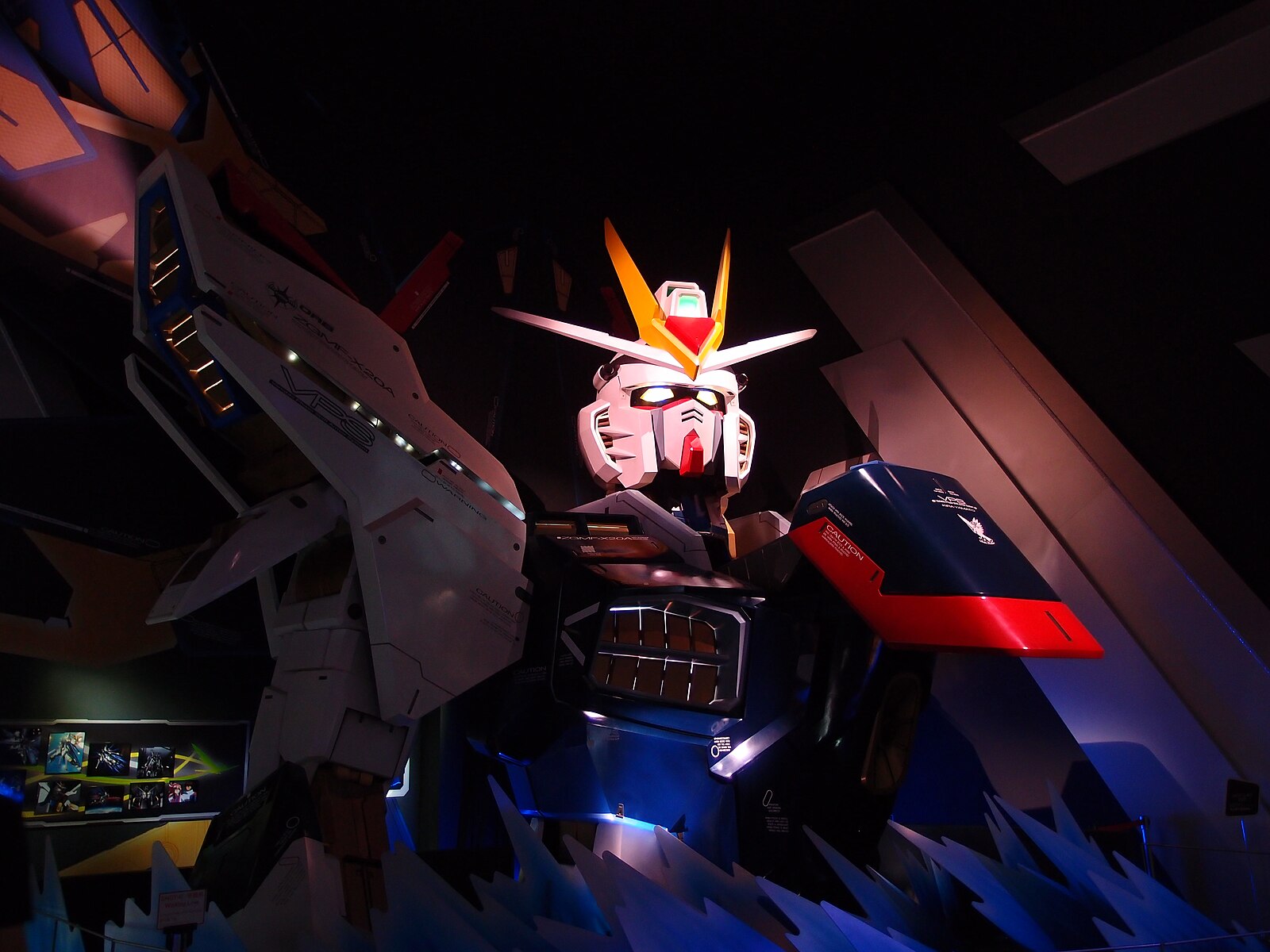
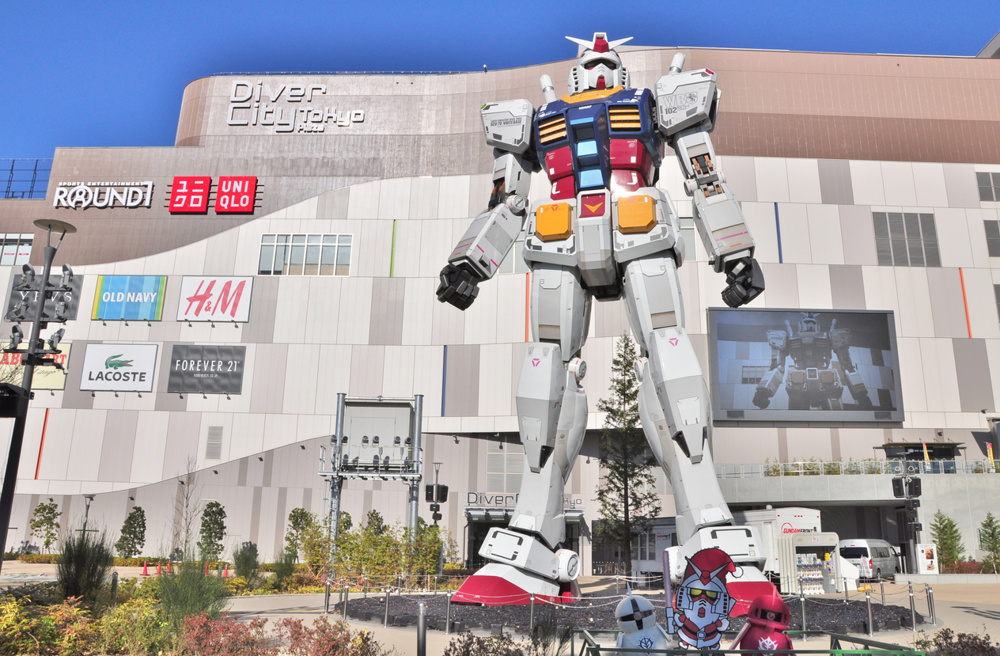
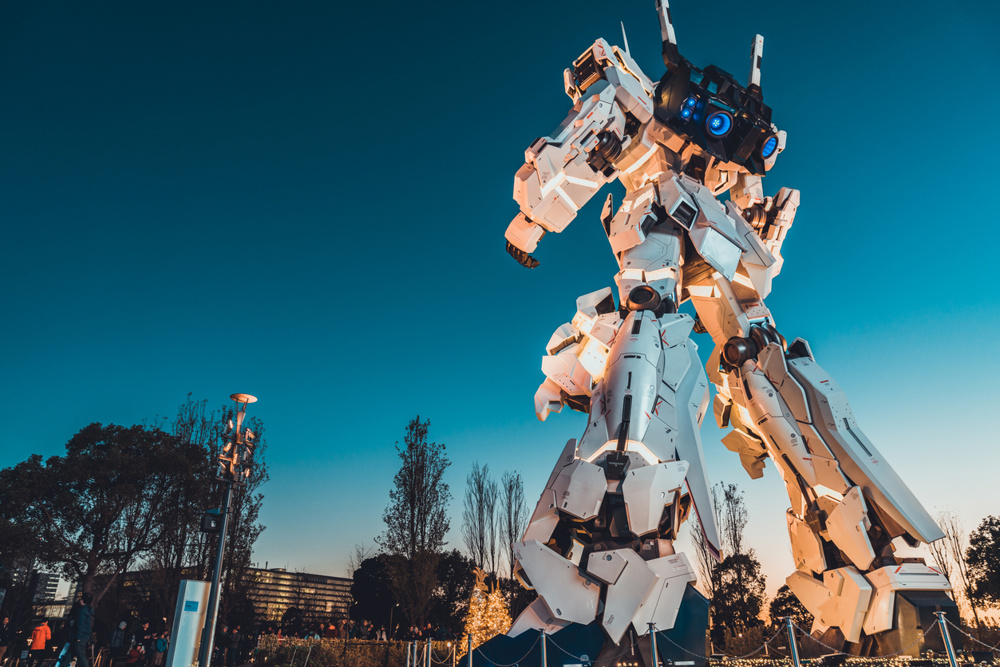
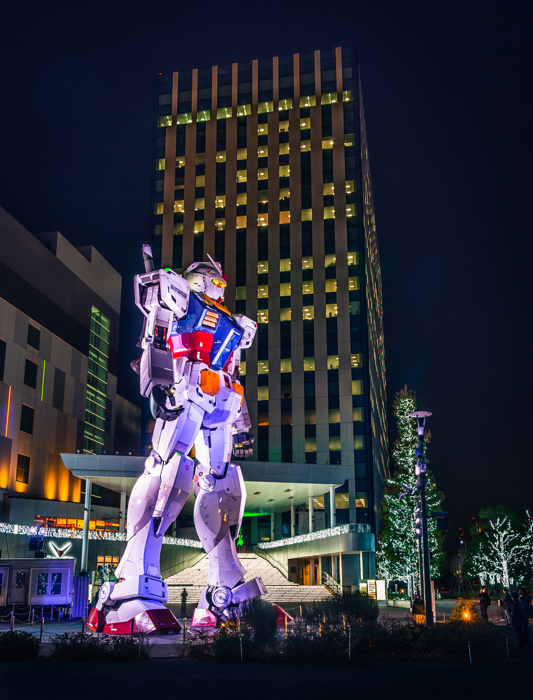
Life-size Gundam statues in Odaiba, Fukuoka, and Yokohama draw massive crowds, while Gundam Cafes served themed food like Gunpla-yaki pancakes filled with bacon and mayonnaise. Gunpla didn't just build models—it built entire experiences around them. The Gundam Factory Yokohama features a full-scale moving Gundam on Yamashita Pier that performs walking motion and limb movement every 25 to 35 minutes.
Crack open more surprising stories from the world of Gundam models.
Where Gundam Model Fans Build, Compete, and Connect Today
Gunpla has always had a social element, but today’s community is more connected than ever. Local hobby shops and meetups provide spaces where builders can share techniques, learn from each other, and collaborate on projects.
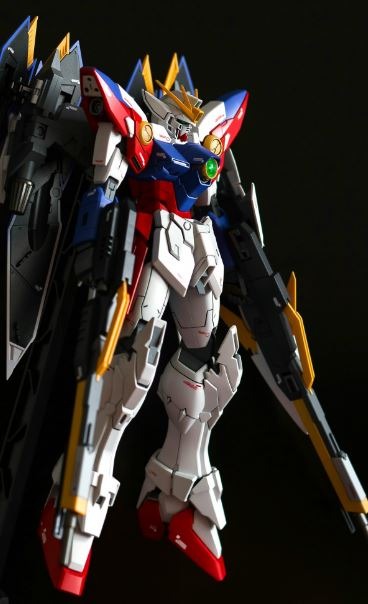
Competitions like the Gunpla Builders World Cup take that interaction to another level. Participants showcase their skills through custom builds, often transforming standard kits into entirely new creations. These events highlight the artistic side of the hobby, emphasizing creativity as much as technical skill.
Online platforms expand this community even further. Social media allows builders to share their work instantly, reaching audiences across the globe. Tutorials, time-lapse builds, and showcase posts turn individual projects into shared experiences, strengthening the sense of global fandom.
How Gunpla Competitions Elevated the Hobby to an Art Form
Gunpla competitions have transformed the hobby from simple model-building into a recognized form of artistic expression. Events like the Gunpla Builders World Cup showcase not just technical skill, but creativity, storytelling, and originality. Builders are judged on how they interpret and reinvent a model, rather than simply assembling it correctly.
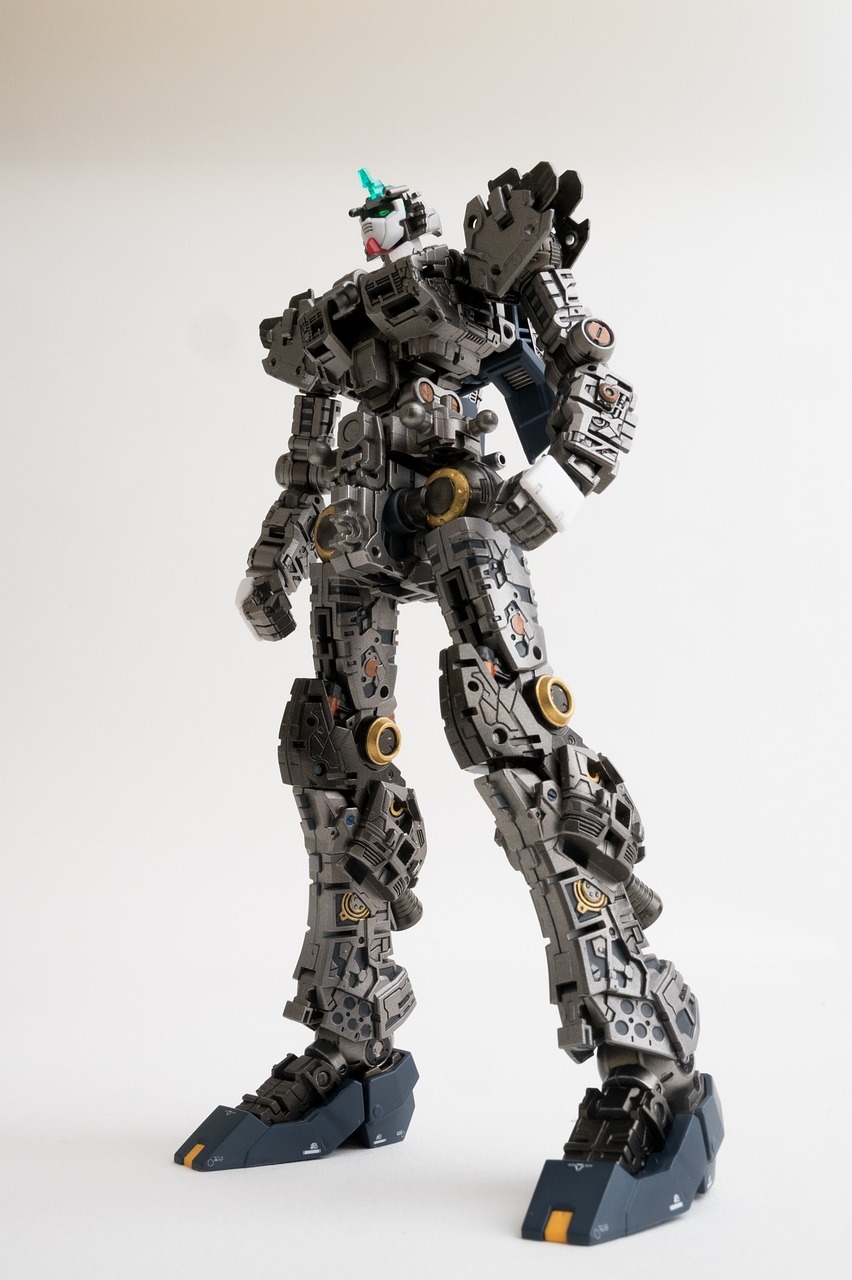
These competitions encourage innovation. Participants experiment with custom paintwork, lighting effects, and entirely new configurations, pushing the limits of what a Gunpla kit can become. This elevates the hobby beyond construction and into the realm of design and visual storytelling.
As a result, competitions have helped redefine how Gunpla is perceived in pop culture. It is no longer just a pastime—it is a platform for artistic achievement. This shift has attracted a wider audience, including people interested in art, design, and creative craftsmanship.
Why Gunpla Became a Form of Creative Expression
Gunpla stands out because it goes beyond simple assembly. While building a kit can be straightforward, many enthusiasts take it further by customizing their models. Painting, weathering, and kitbashing allow builders to create something entirely unique.
This creative freedom is a major part of the hobby’s appeal. Two people can start with the same kit and end up with completely different results. That individuality transforms Gunpla from a product into a medium for self-expression.
In pop culture, this aligns with a broader shift toward personalization. Just as fans remix content, create fan art, or customize digital avatars, Gunpla builders reshape existing designs into something that reflects their own vision.
The Role of Anime in Keeping Gunpla Relevant
The Gundam anime franchise is the foundation that keeps Gunpla continuously relevant. Every new series introduces fresh mobile suit designs, updated aesthetics, and new characters that immediately translate into model kits. This direct link between what fans watch and what they can build creates a seamless loop of engagement.
Each release cycle renews interest across different audiences. Longtime fans revisit the franchise through updated versions of classic suits, while newer viewers discover Gundam through modern series like The Witch from Mercury. This steady flow of content ensures that Gunpla never feels outdated, even as trends in entertainment shift.
Because of this connection, Gunpla exists in a unique space between nostalgia and innovation. Classic designs maintain their cultural significance, while new releases push the franchise forward. This balance allows the hobby to evolve without losing its identity, keeping both the anime and the models culturally relevant over time.
How Limited Editions and Releases Drive Collector Culture
Limited edition Gunpla releases play a major role in maintaining excitement within the community. Special color variants, event-exclusive kits, and premium editions create a sense of rarity that appeals to collectors. These releases often sell out quickly, reinforcing their perceived value.
This scarcity adds another layer to the hobby. Builders must decide whether to assemble these kits or preserve them in their original condition, turning Gunpla into both a creative activity and a collecting pursuit. This dual purpose makes the hobby more dynamic.
Collector culture also strengthens engagement. Fans track releases, attend events, and follow announcements closely, creating anticipation around each new drop. This ongoing cycle of release and demand keeps the community active and invested.
How Gunpla Reflects Modern Fandom Culture
Gunpla perfectly reflects how fandom has shifted from passive consumption to active participation. Instead of simply watching a series, fans build and customize pieces of that world themselves. This hands-on interaction creates a deeper connection to the franchise than traditional media consumption alone.
Online platforms have amplified this shift. Builders share their work through photos, videos, and tutorials, turning individual projects into community experiences. Feedback, collaboration, and inspiration flow freely, making Gunpla part of a larger creative ecosystem rather than a solitary activity.
This behavior mirrors broader trends in pop culture, where fans increasingly remix and reinterpret the media they love. It fits naturally into this landscape, giving fans a physical way to express their creativity. It shows how modern fandom is defined not just by what people watch, but by what they create and share.
Why Gunpla Appeals Across Generations
One of Gunpla’s greatest strengths is its ability to appeal to multiple generations at once. Older fans who grew up with early Gundam series continue to build and collect, while younger audiences discover the franchise through newer shows and modern kits.
This generational overlap creates a unique community dynamic. Experienced builders share techniques and knowledge with newcomers, passing down skills and traditions. At the same time, younger fans bring fresh ideas and new creative approaches.
Because of this, Gunpla remains both familiar and evolving. It connects different age groups through a shared interest while allowing each generation to engage with it in their own way. This adaptability is a key reason why the hobby continues to thrive globally.
Conclusion
Gunpla’s success comes from its ability to evolve while staying true to its core. It offers something for everyone—accessibility for beginners, depth for experienced builders, and a strong connection to a beloved franchise. More importantly, it turns fandom into something tangible. Instead of just watching or collecting, fans build, customize, and share.
That active involvement creates a deeper connection that keeps the hobby engaging over time. As global interest in anime and creative hobbies continues to grow, Gunpla is positioned to remain a major part of that landscape. It’s not just a product—it’s a platform for creativity, community, and cultural expression that shows no signs of slowing down.