Best Places in Texas to Capture Stunning Drone Footage
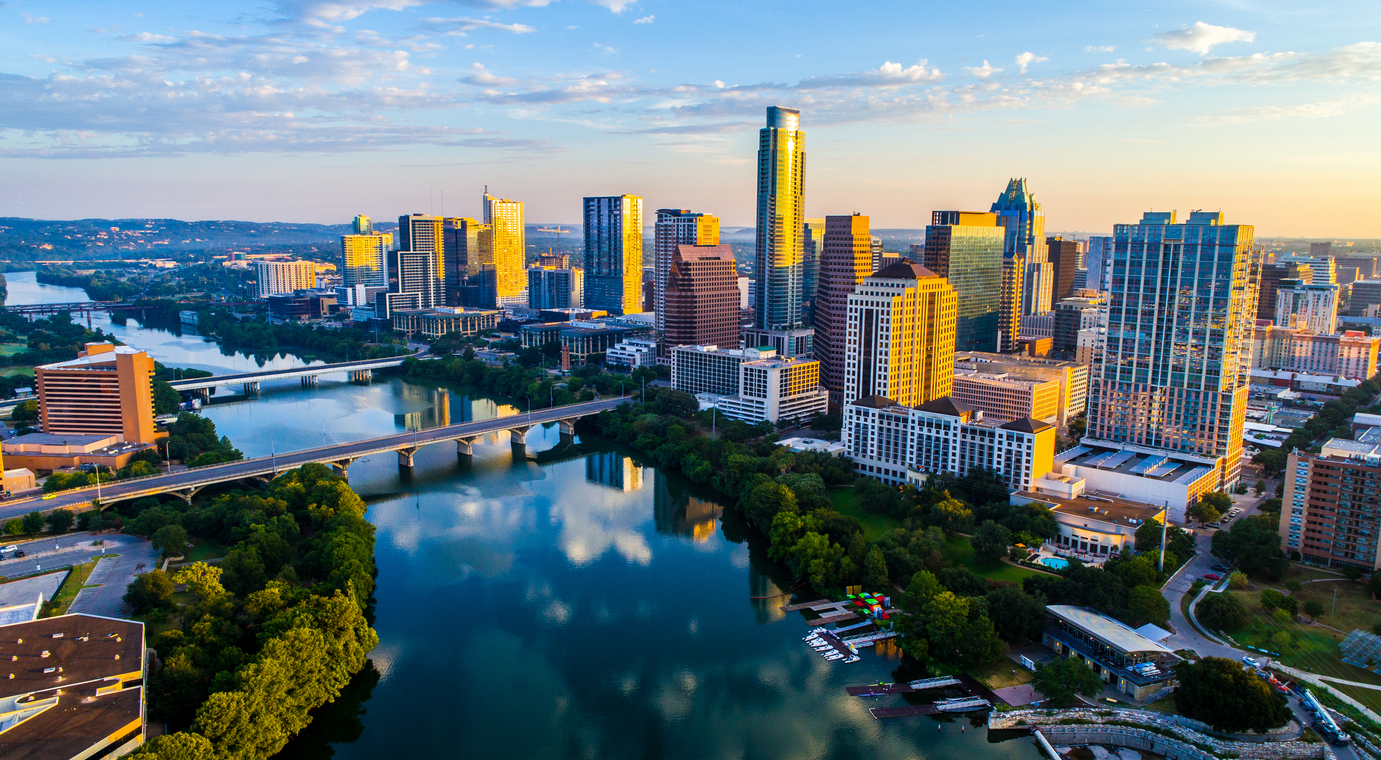
Texas offers exceptional drone filming locations, from Austin’s scenic waterfront to the expansive lakes of North Texas and the rugged beauty of West Texas. In Austin, Lady Bird Lake showcases limestone-lined shores, skyline reflections, and the popular Ann and Roy Butler Hike-and-Bike Trail. Zilker Park’s 350 acres provide diverse angles, while nearby Lake Austin and Pace Bend Park offer dramatic cliffside and open-water compositions. In the Dallas–Fort Worth area, White Rock Lake highlights urban-meets-nature contrasts, while Lake Lewisville and Grapevine Lake deliver expansive recreational scenes and shoreline diversity. Before launching, you’ll need FAA registration for drones over 0.55 lbs, and you must follow both federal and local restrictions, which can vary significantly depending on the location.
Texas Drone Regulations: Airspace Classes and Where You Can Fly
Before flying in Texas, you must follow FAA rules, which apply nationwide, along with state and local restrictions. Texas Government Code Chapter 423 regulates drone use, particularly around surveillance and photography. It does not broadly ban flying but restricts how drones can be used in certain situations. You are prohibited from flying near airports, military bases, and critical infrastructure, and must always check controlled airspace using tools like B4UFLY or LAANC authorization (via apps like Aloft). In most cases:
- Stay below 400 feet
- Maintain visual line of sight
- Do not fly over people or moving vehicles (unless compliant with FAA categories)
- Avoid emergency response areas
Drones weighing more than 0.55 lbs (250g) must be registered with the FAA. Local governments—especially cities like Austin—may impose additional rules, particularly in parks and public spaces.
Legal Drone-Friendly Areas and Where Flying Is Actually Allowed
Finding legal places to fly in Texas is just as important as choosing scenic locations. While much of the state is technically flyable under FAA rules, takeoff and landing permissions often determine whether a spot is truly usable. Most Texas State Parks prohibit drone use without a permit, with only a small number offering designated areas or exceptions. However, you’ll find more flexibility in the following types of locations:
- U.S. Army Corps of Engineers lakes (such as Lake Lewisville and Grapevine Lake), where drone use is often allowed unless specifically posted otherwise
- National Forests in East Texas, where drone use is generally permitted outside wilderness areas
- Private property, with landowner permission for takeoff and landing
- AMA (Academy of Model Aeronautics) fields, which are specifically designed for RC aircraft and drone pilots
Some known drone-friendly or designated-use areas include:
- San Angelo State Park (designated RC flying area)
- Martin Dies Jr. State Park (designated zone)
- Select Harris County parks with approved flying zones
Always check posted signage or contact local authorities, since cities can regulate drone use on land they control, even if airspace is federally governed.
Austin’s Top Waterfront Parks for Drone Filming
View this post on Instagram
Austin offers some of the most visually dynamic urban drone footage in Texas. Lady Bird Lake provides strong composition opportunities with skyline reflections, bridges, and trail activity. However, drone takeoffs and landings are generally restricted in City of Austin parks, so you must verify permitted areas nearby. Zilker Park delivers wide-open green space and proximity to downtown, though drone use is typically restricted without special permission. Mount Bonnell, overlooking Lake Austin, offers elevated views of winding shorelines and residential hillsides. Pace Bend Park, located in Travis County (outside Austin city limits), is a more drone-friendly option with cliffs, coves, and open lake views—making it one of the better legal filming areas in the region. Golden hour in spring and fall produces the best lighting, with softer angles and reduced glare on the water.
Austin Drone Practice Locations
If you’re looking to practice rather than film cinematic footage, seek open areas with fewer restrictions. Walter E. Long Metropolitan Park (Decker Lake area) offers large open spaces outside dense urban zones, though rules still apply and should be checked in advance. Model aircraft fields operated by local RC clubs (such as AMA-affiliated sites in the Austin area) are often the safest and most appropriate places to practice flying skills. Natural areas like Bull Creek Greenbelt are not ideal for drone use due to environmental protections and local restrictions. Always follow private property rules and avoid disturbing wildlife, especially nesting birds in natural habitats.
DFW’s Most Popular Lakes for Aerial Photography
View this post on Instagram
The Dallas–Fort Worth area features several large reservoirs ideal for aerial photography. Lake Lewisville offers expansive shorelines, marinas, and recreational boating scenes. White Rock Lake is one of the most recognizable urban lakes in Texas, with the Dallas skyline visible from certain vantage points. Grapevine Lake provides a mix of wooded shoreline and open water, with nearby historic downtown Grapevine adding contextual footage. Lake Ray Hubbard features large bridges and wide water expanses, while Joe Pool Lake offers quieter, scenic compositions with less congestion. These lakes are managed primarily by the U.S. Army Corps of Engineers, so always verify site-specific rules before flying.
Downtown Dallas Drone Spots for Urban Skyline Shots
Capturing Dallas’s skyline requires careful planning due to Class B controlled airspace around Dallas Love Field. Lake Cliff Park (Oak Cliff) provides one of the best ground-level vantage points for skyline views, including Reunion Tower and the downtown core. Drone flights here typically require LAANC authorization. The Margaret Hunt Hill Bridge and Trinity River corridor create strong architectural compositions, especially during sunrise or sunset. Night flying is allowed only if your drone meets FAA anti-collision lighting requirements and you maintain visibility. Always confirm airspace clearance before flying in central Dallas.
Houston Drone Filming: Space Center and Stadium Areas
Houston offers a mix of aerospace landmarks and major sports venues, but drone use is highly restricted in many of these areas. Space Center Houston and Johnson Space Center are no-drone zones due to federal security restrictions. Aerial footage here requires special authorization or licensed commercial production permits. Downtown venues like:
- Minute Maid Park
- Toyota Center
- NRG Stadium
are also located in controlled or restricted airspace, often with Temporary Flight Restrictions (TFRs) during events. Nearby public areas outside restricted zones may offer skyline views, but always verify using FAA tools before flying.
Caprock Canyons and West Texas Desert Landscapes
Caprock Canyons State Park, located in Briscoe County, offers some of Texas’s most dramatic natural drone footage. The park features:
- Rugged red rock formations formed over millions of years
- The dramatic Caprock Escarpment
- Free-roaming Texas State Bison Herd
- Lake Theo, providing reflective water compositions
Drone use in Texas State Parks is generally prohibited without a permit, so filming here requires advance coordination with Texas Parks and Wildlife. Nearby public lands outside park boundaries may provide legal alternatives with similar terrain.
Enchanted Rock Permits, Reservations, and Filming Tips
Enchanted Rock State Natural Area strictly prohibits recreational drone use. Commercial filming requires:
- A Texas Parks and Wildlife permit
- Advance coordination and approval
Nearby alternatives include:
- Inks Lake State Park
- Pedernales Falls State Park
However, these locations also require permits for drone operations. Always contact Texas Parks and Wildlife Department before planning any aerial shoot in protected areas.
When to Capture Texas Wildflowers, Canyons, and Fall Color
Texas offers strong seasonal opportunities for drone footage. Wildflower season typically peaks:
- South Texas: February–March
- Hill Country: March–April
- North Texas: April–May
Bluebonnets dominate spring landscapes, especially along highways and rural fields. In fall, regions like the Lost Maples State Natural Area and Davis Mountains provide some of the best foliage in Texas. Weather patterns shift bloom timing each year, so monitor local reports before scheduling shoots.
Drone Gear for Texas Heat, Wind, and Intense Sunlight
Texas weather can be demanding on drone equipment. Choose drones with:
- Strong wind resistance (important for open lakes and plains)
- Reliable thermal management for high temperatures
- High-brightness screens for visibility in intense sunlight
Models like the DJI Air 3 and similar mid-to-high-end drones perform well in Texas conditions. Avoid flying in extreme heat (above ~104°F / 40°C), and allow batteries to cool between flights. Always test your setup before critical shoots, especially in windy or high-temperature environments.