RC Boats in Texas: Lakes and Waters That Allow Hobby Use
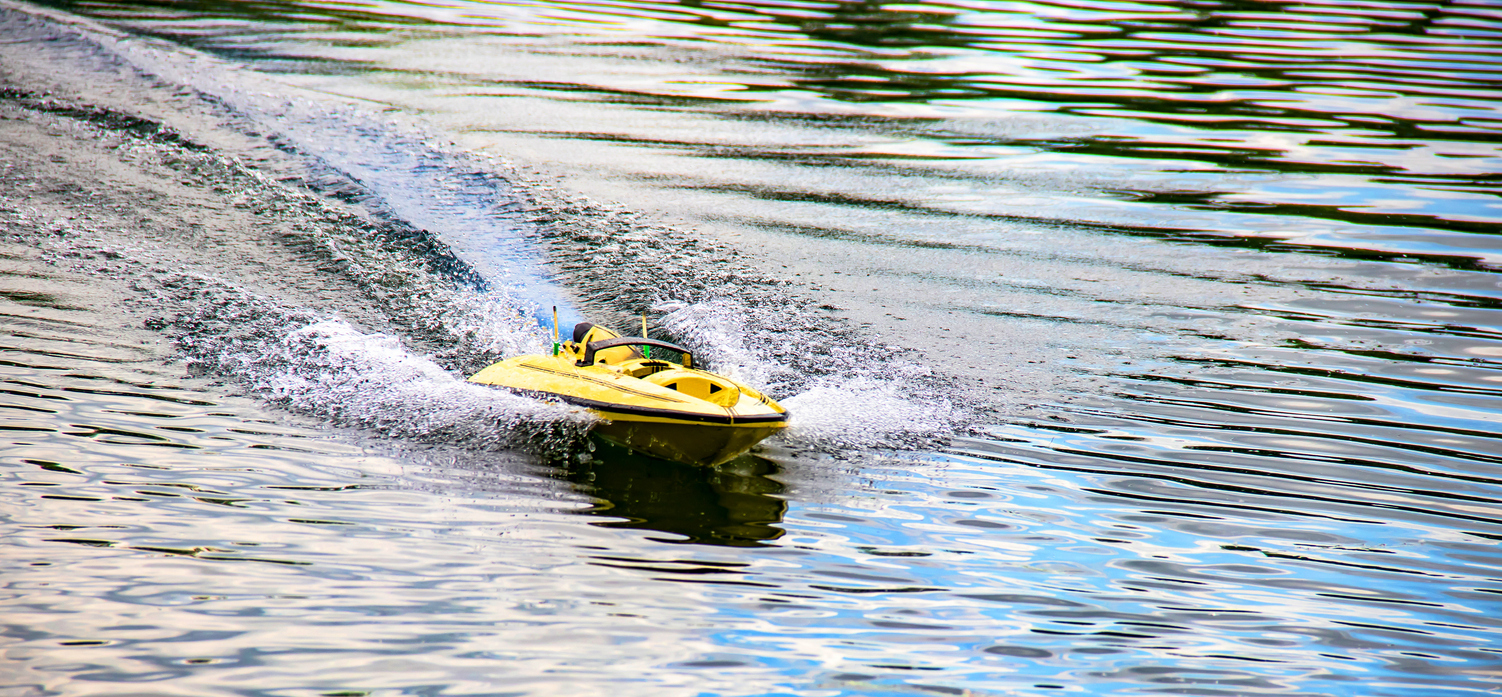
Texas offers a wide range of lakes and public waters where RC boating is possible, but regulations vary significantly depending on location, park management, and equipment type. Large reservoirs often provide the most flexibility, while city parks and designated fishing lakes may have stricter rules. Before launching, always check with local authorities or posted signage, as rules can differ by lake, city, or park system.
Where to Run RC Boats Near Dallas: Lavon Lake, Lake Ray Hubbard, and Sandy Lake
View this post on Instagram
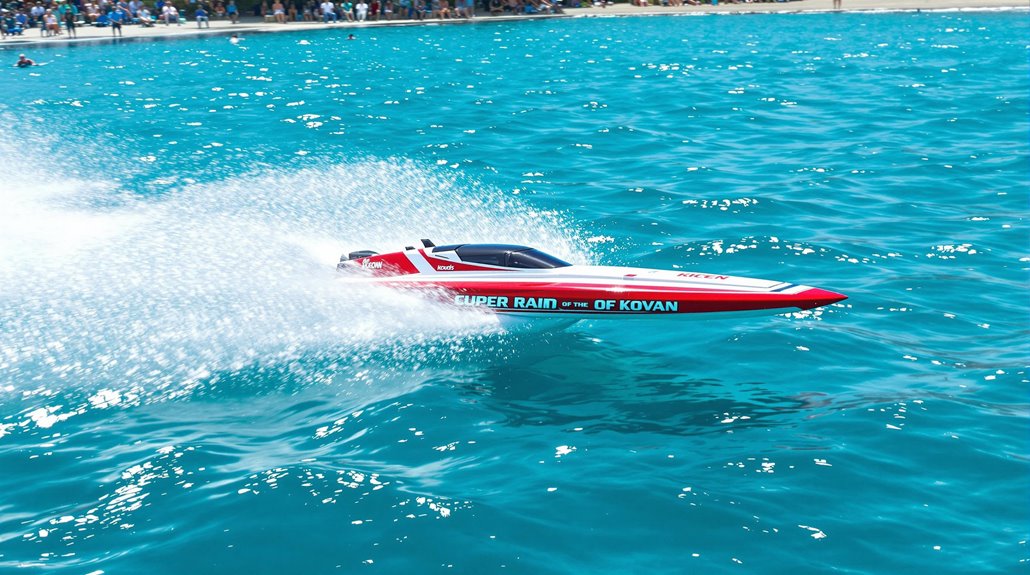
North Texas provides several accessible options for RC boating enthusiasts within a short drive of Dallas. Lavon Lake, located northeast of Dallas near Wylie, offers wide open water and multiple public access points managed by the U.S. Army Corps of Engineers. Its size and shoreline access make it a practical choice for hobby use in low-traffic coves. Lake Ray Hubbard, east of Dallas, also provides large surface areas, though operators should stay clear of active boating zones and marinas. Early mornings or calmer coves are typically the safest times for RC use. Sandy Lake in Carrollton is a smaller, privately operated park with recreational facilities. RC boating may be allowed in designated areas, but policies can change, so confirming ahead is essential. Across all locations, avoid crowded swimming or boating areas and prioritize low-traffic zones for safe operation.
Lake Texoma and Other Large Lakes Suitable for RC Boating
View this post on Instagram
Large reservoirs tend to be the most practical environments for RC boats due to their size and flexibility. Lake Texoma, spanning the Texas–Oklahoma border, covers approximately 89,000 acres and offers extensive shoreline access. Its numerous coves and inlets provide ideal conditions for RC operation when away from heavy boat traffic. Other lakes where RC boating may be possible (depending on local rules) include:
- Wright Patman Lake (Northeast Texas) – Spacious and less crowded than metro lakes
- Lake Athens (East Texas) – Smaller but accessible with calmer water areas
- Joe Pool Lake (DFW area) – Popular but requires careful location selection away from swimmers and boats
Because these are multi-use lakes, always operate in areas where you won’t interfere with fishing, swimming, or motorized vessels.
Gas-Powered RC Boats in City Parks: Restrictions and Noise Considerations
Many Texas cities restrict or prohibit gas-powered RC boats, primarily due to noise and environmental concerns. For example, in Plano city parks, internal combustion RC boats are generally not permitted. Local park ordinances prioritize quiet recreational use, making electric-powered models the preferred option. Even where RC boating is allowed, you may need special permission or permits, especially for organized activities. Always check with the city’s parks and recreation department before use.
Electric RC Boats: The Most Widely Accepted Option
Electric RC boats are the most practical choice for urban and suburban areas. Their low noise levels and zero emissions make them more acceptable in city-managed parks and smaller lakes. Benefits of electric models include:
- Quiet operation, reducing disturbance to other park users
- Cleaner use, with no fuel spills or exhaust
- Easier maintenance, especially for casual hobbyists
- Greater access, since more locations permit electric-only models
For hobbyists in metro areas, electric boats significantly expand where you can legally operate.
Choosing the Right RC Boat: Entry-Level vs Advanced Models
Selecting the right RC boat depends on your experience level and where you plan to operate. For beginners, ready-to-run (RTR) electric boats are the most accessible option. These models are affordable, easy to maintain, and ideal for calm lakes or ponds. Entry-level boats typically reach moderate speeds and are designed for recreational use rather than racing. Advanced hobbyists often upgrade to brushless electric or gas-powered boats, which can exceed 40–60 mph and require more maintenance and skill to operate safely. These are better suited for large, open lakes or club racing environments. For most Texas locations—especially urban lakes—electric models strike the best balance of performance, legality, and convenience.
State Parks and RC Boat Restrictions
View this post on Instagram
Most Texas State Parks do not specifically allow RC boating, and many restrict or prohibit model watercraft to protect wildlife and ensure visitor safety. Parks such as Abilene State Park, Cleburne State Park, and Mineral Wells State Park are commonly cited as locations where RC use is not permitted. Policies vary by park, so it’s important to contact park staff directly before bringing RC equipment. In general, state parks prioritize kayaking, fishing, and swimming, and may limit activities that could interfere with these uses.
Community Fishing Lakes: Pole-and-Line Rules
Texas Community Fishing Lakes are designed for traditional fishing methods only, which means RC boats are typically not allowed—especially when used to deploy bait. These lakes follow pole-and-line regulations, limiting anglers to standard rod-and-reel setups. If you plan to combine RC boating with fishing, verify rules carefully, as enforcement is stricter in these designated areas.
RC Boat Fishing: What Texas Rules Allow
Using RC boats for fishing is allowed in limited situations, but only when it supports legal fishing methods. In Texas, your setup must still follow pole-and-line requirements, meaning the fishing line should not remain attached to the RC boat once a fish strikes. The RC device should function more like a delivery tool, not a replacement for traditional fishing gear. Avoid using drones or aerial devices, as these are treated differently under federal and state regulations.
Organized RC Boating: Clubs and Designated Sites
For hobbyists seeking structured environments, organized RC boating clubs provide dedicated spaces and events. Facilities such as:
- McInnish Park (Carrollton)
- Lake Nasworthy (San Angelo)
- Ascarate Park (El Paso)
have hosted or supported RC boating groups and racing organizations like NAMBA (North American Model Boat Association). These locations often offer safer, controlled environments with fewer conflicts with other lake users.
Dedicated RC Boat Ponds and Club Lakes in Texas
While large lakes offer flexibility, some of the best RC boating experiences come from designated club ponds and sanctioned sites. These locations are specifically used for model boating, making them safer and more predictable environments. In North Texas, McInnish Sports Complex in Carrollton is a well-known RC boating site used by organized racing groups. In West Texas, Lake Nasworthy (San Angelo) and Ascarate Park Lake (El Paso) have hosted RC boating activities and club events. Other smaller club-supported locations include Lakes of Katy (near Houston) and hobbyist-managed ponds tied to local RC organizations. These sites are often affiliated with organizations like the North American Model Boat Association (NAMBA), which promotes safe operation, racing standards, and community events. Because access may be limited to members or scheduled events, it’s best to contact local RC clubs before visiting.
How to Verify RC Boat Rules Before You Go
Because there is no single statewide list of RC-friendly lakes, you’ll need to check regulations for each location individually. Before heading out:
- Contact the local park authority or lake management office
- Check signage at boat ramps and recreation areas
- Review Texas Parks and Wildlife Department (TPWD) guidelines
- Ask local hobby groups or clubs for current information
Taking a few minutes to verify rules ensures your RC boating experience remains safe, legal, and enjoyable.
Staying Safe Around Boats, Swimmers, and Wildlife
Operating RC boats on public lakes requires awareness of other users. Always keep your RC boat well away from swimmers, kayakers, and anglers, as even small models can cause injury at speed. Avoid launching near boat ramps, marinas, or designated swimming areas, where traffic is highest. Instead, choose quiet coves or shoreline areas with minimal activity. Maintain clear line-of-sight control at all times and be prepared to shut down your boat quickly if a full-size vessel approaches. Respect wildlife zones as well—many Texas lakes include protected areas where disturbance is discouraged.