DFW Transportation Models: Trains, Planes & Automobiles
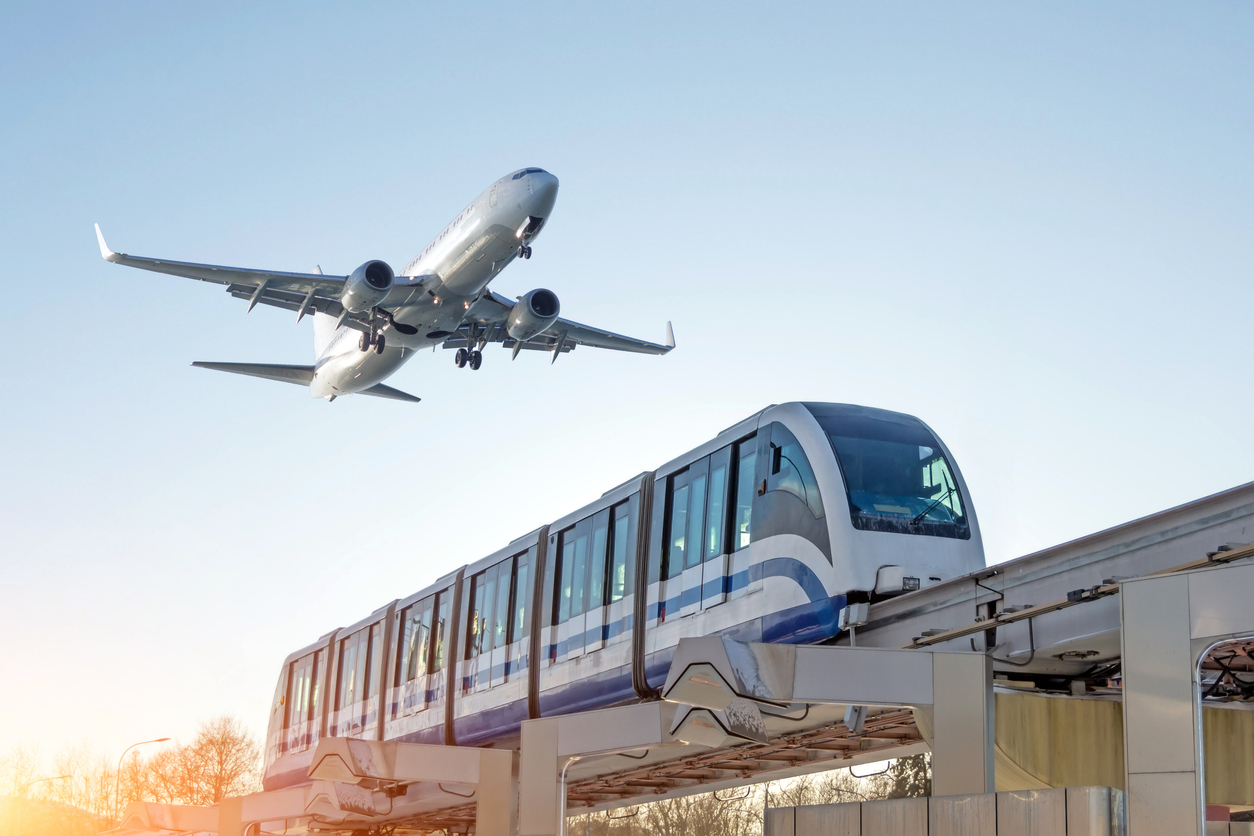
DFW's transportation network offers you broad connectivity through air, rail, and road systems. You'll find one of America's busiest airports spanning nearly 27 square miles with more than 170 gates, DART’s 93-mile light rail network providing over 55 million annual trips across the system, and extensive highway access points.
This integrated system generates more than $30 billion in annual economic activity and supports over 200,000 jobs tied directly to DFW International Airport and related operations. Discover how this transportation powerhouse connects you to hundreds of destinations worldwide and transforms the regional economy.
DFW Airport's Record-Breaking Passenger Growth
Despite the severe challenges posed by the pandemic, DFW Airport has achieved unprecedented passenger growth, handling a record-breaking 87.8 million travelers in 2024—a 7.4% increase from 2023 and a remarkable jump since 2019. This recovery from the pandemic low of 39.4 million passengers in 2020 has solidified DFW's position as one of the world’s busiest airports.
You'll notice the impact of seasonal passenger fluctuations, particularly during summer peaks when the airport manages massive traveler surges. During Independence Day 2024 alone, the airport welcomed about 1.5 million passengers, more than the previous year. The airport experienced its highest monthly passenger volume in July with over 8 million passengers passing through its terminals.
To maintain efficiency amid these record numbers, DFW has implemented digital passenger management tools, including mobile apps that enhance your travel experience even during the busiest periods.
The Massive Scale of DFW Airport Infrastructure
When you set foot in Dallas Fort Worth International Airport (DFW), you're entering one of the world's most extensive airport complexes, spanning nearly 27 square miles—an area larger than Manhattan. The terminal layout showcases a semi-circular concept across five terminals housing more than 170 gates, with Terminal F scheduled to add 31 more gates in phases beginning in 2027 as part of a major expansion. The original master plan envisioned multiple semi-circular terminals sized to handle the era’s new widebody jets.
You'll find seven massive runways stretching up to 13,400 feet, capable of handling any commercial aircraft. The historic Airtrans system—an early automated people mover—paved the way for today’s Skylink trains that connect terminals efficiently.
Behind the scenes, an underground hydrant fuel system serves aircraft directly at gates, while the airport operates like its own city with dedicated police, fire, and medical services—all supporting infrastructure that now handles nearly 90 million passengers a year.
Regional Economic Impact of DFW's Transportation Hub
As a key economic engine of North Texas, DFW Airport transforms the regional economy with an estimated tens of billions of dollars in annual economic impact. You’ll find more than 200,000 jobs supported by the airport’s operations, including about 228,000 local positions linked to airport-related business activity. Nearby Dallas Love Field adds over $6 billion and nearly 28,000 jobs to this impressive aviation footprint, strengthening the region’s air transportation ecosystem.
The region's cargo volume has positioned DFW among the nation’s leading cargo hubs, moving roughly $55 billion in trade annually, which strengthens supply chains throughout Texas and beyond.
Transportation workforce development continues as a priority, with the multimodal hub creating diverse employment opportunities across freight forwarding, logistics, and support services. Alliance Airport’s industrial cargo capabilities contribute billions more in economic impact, completing a transportation network that fuels North Texas's remarkable economic growth. The airport's multi-billion-dollar capital improvement program further enhances infrastructure to accommodate growing transportation demands.
DART and TRE: Rail Transit Networks Connecting the Metroplex
The Dallas Area Rapid Transit (DART) and Trinity Railway Express (TRE) form the backbone of the Metroplex's rail transit infrastructure, connecting millions of residents across North Texas. DART's 93-mile light rail network—featuring the Red, Blue, Green, and Orange lines—serves Dallas and twelve suburbs, recording tens of millions of trips annually across rail, bus, and on-demand services.
You'll find commuter rail integration at Union Station, where DART connects with the TRE, which links downtown Dallas to Fort Worth. This joint operation between DART and Trinity Metro enhances regional mobility beyond what either system could provide alone.
Beyond the DART light rail lines, you'll benefit from complementary services including the Dallas Streetcar, extensive bus routes, and GoLink on-demand transit. The DARTzoom bus network, implemented in 2022, provides improved coverage with most local routes operating from around 5 AM to midnight, seven days a week. The GoPass app streamlines your journey with real-time planning and mobile ticketing so you can move smoothly across modes.
Global Reach: DFW's International and Domestic Flight Network
Dallas-Fort Worth International Airport stands as a colossal gateway connecting North Texas to the world, with an impressive network spanning more than 260 nonstop destinations in the United States and abroad. You'll find DFW ranking among the world's leaders in aircraft operations with hundreds of thousands of takeoffs and landings annually, serving close to 88 million passengers in 2024. The facility serves as American Airlines' largest hub, with the carrier's headquarters situated near the airport complex.
While DFW’s size can contribute to occasional delays, its role remains critical amid shifting airline alliances and growing international connectivity. Top domestic destinations include Los Angeles, Las Vegas, and Atlanta, while international traffic has grown steadily in recent years as airlines add routes to Europe, Latin America, and Asia.
Aviation industry trends show DFW's remarkable pandemic recovery, with passenger volumes rebounding from 39.4 million in 2020 to historic highs by 2024, reinforcing its position as a central node in the global air network.
Roadway Systems and Automobile Access Points
While DFW's aerial connections span the globe, traversing the airport's ground transportation network presents its own set of challenges. The central International Parkway connects directly to major highways, but ongoing construction has significantly adjusted access patterns, particularly for some northern parking facilities and terminal approaches.
You'll find that recent interchange reconfigurations have changed how drivers reach Remote North and Express North parking, often requiring short detours via service roads. DFW's parking management strategies include live availability updates for terminal garages, though portions of Terminal C’s parking remain under reconstruction during modernization projects. As one of the world's busiest airports, DFW's ground transportation infrastructure is constantly evolving to meet increasing demand.
Curbside access planning continues to adapt as flyover demolitions and bridge construction progress, creating rotating phases of temporary terminal access routes. When driving to Terminals A, B, and C, you'll encounter new right-hand exits replacing former routes, with enhanced signage and updated wayfinding tools guiding you through necessary detours and construction zones.
Sustainability Initiatives in DFW Transportation
Pioneering environmental leadership among global aviation hubs, DFW International Airport has shifted its sustainability approach from simple mitigation to ambitious net-zero and nature-positive goals. You'll find their commitment anchored in a net zero carbon by 2030 target—about two decades ahead of many industry benchmarks—with the airport having already reduced absolute emissions by around 80% since 2010 through renewable energy purchases and efficiency upgrades.
The airport's biodiversity initiatives aim for a nature-positive outcome across its roughly 17,000 acres, actively monitoring ecosystem health and identifying seven habitat types across the property. Comprehensive energy performance programs save more than $12 million annually, supported by projects like an electric Central Utility Plant and a growing fleet of electric vehicles.
You'll also notice DFW's zero-waste and circular economy commitments, expanded recycling and materials management, and public-facing education efforts that highlight how travelers can participate. Together, these initiatives show how a major transportation hub can pair operational growth with environmental stewardship and long-term resilience.