
San Antonio Architecture: Scale Model Projects to Try
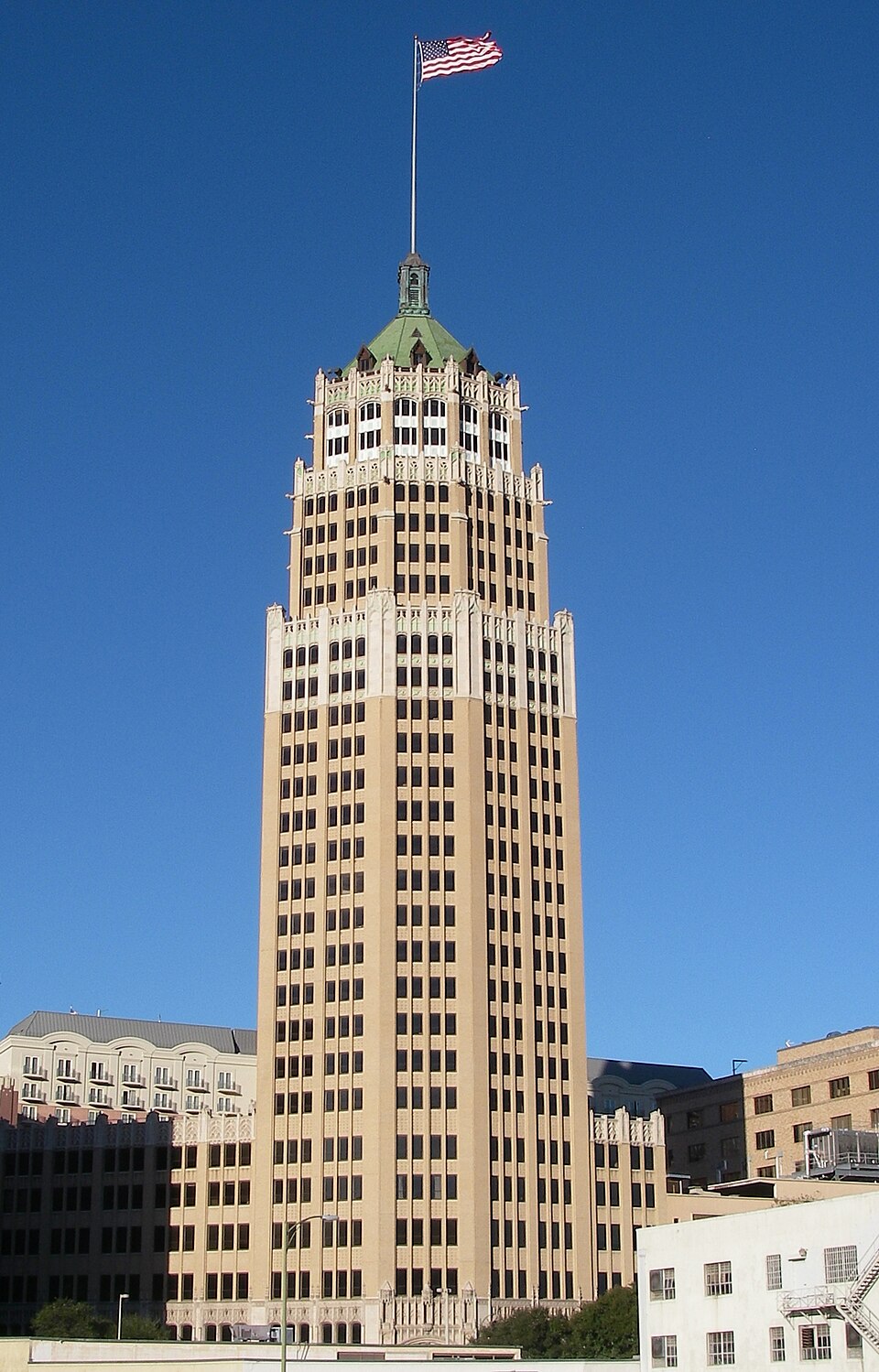
San Antonio’s architectural diversity offers excellent scale modeling opportunities. You can recreate the octagonal Tower Life Building with its intricate exterior detailing, or build Mission San José with its ornate façade and fortified compound layout. The Victorian elegance of King William District homes presents intricate detailing challenges, while a River Walk diorama captures iconic bridges and winding pathways.
For modern engineering enthusiasts, the Tower of the Americas showcases bold midcentury concrete design. These projects span centuries of San Antonio’s architectural evolution.
Tower Life Building: Capturing Neo-Gothic Grandeur in Miniature
Standing prominently in San Antonio’s skyline, the Tower Life Building represents one of the city’s most distinctive architectural landmarks. This octagonal Neo-Gothic style tower, completed in 1929, stood as the city’s tallest structure for decades and remains one of downtown’s signature high-rises. Originally known as the Smith-Young Tower, the building later became associated with the Tower Life Insurance Company name that many locals recognize today.
Your scale model challenge lies in recreating its unique features—from the vertical emphasis and detailed ornamentation to the roofline elements near the upper floors. Don’t forget the iconic green roof tiles and copper-toned crown that give the top its recognizable silhouette. The building’s history of name changes and long downtown presence adds helpful context you can include on a small display plaque for your model.
Mission San José: Recreating Spanish Colonial Heritage
When recreating your model, focus on these distinctive features:
- The ornate church façade featuring religious carvings and dramatic Baroque styling
- The mission’s long rows of living quarters that once housed Indigenous families within the compound
- The plastered-and-painted surfaces that historically gave many mission structures a finished look beyond bare stone
The mission served both religious and social purposes, integrating Indigenous people into Spanish colonial society through daily religious instruction and specialized trade work including agriculture, textiles, and blacksmithing. The mission’s defensive character is evident in its enclosed compound form, with perimeter walls and controlled entry points that reflect frontier-era security needs.
King William District: Modeling Victorian Elegance
As San Antonio’s oldest residential historic district, the King William neighborhood offers a perfect subject for architectural modeling with its Victorian elegance. Named after Prussia’s King Wilhelm I by German settlers, this area features a mix of late-19th-century styles, including ornate Queen Anne details, decorative trim, and varied rooflines that make strong modeling practice.
For your scale model, focus on capturing the district’s signature elements: decorative iron fences, wide porches, and expressive window shapes. The Steves Homestead (often highlighted in local preservation stories) makes an excellent centerpiece with its thick masonry construction and well-documented history in the neighborhood.
The property is also known for its early private “natatorium” style swim feature, which adds an interesting and locally famous detail you can reference in your model notes. Local artisan workshops often offer specialized materials to recreate these intricate Victorian details.
The district’s neighborhood restoration efforts, supported by long-running community preservation groups, have helped maintain these architectural treasures that reflect German immigrant influence on San Antonio’s cultural landscape.
River Walk Diorama: Building San Antonio’s Iconic Waterway
While Victorian architecture dominates King William, San Antonio’s true architectural marvel flows beneath street level. The River Walk emerged from flood-control planning after the devastating 1921 flood and became closely associated with Robert H. Hugman’s early visions for a pedestrian-focused river corridor.
Your diorama project can capture this below-street-level setting with its stone-lined banks, shaded walkways, and layered viewpoints.
To create an authentic River Walk model, focus on:
- Blending diverse styles—Spanish Colonial, Mediterranean, and eclectic storefront architecture with arches and stone details
- Incorporating retaining walls, stairs, and landings alongside mature Bald Cypress trees
- Featuring iconic bridges with railings and varied spans that frame the winding paths
This miniature recreation celebrates not just a flood-control solution, but a long-evolving public space that extends well beyond the original downtown stretch today. Consider adding tiny boat shapes or dock details to reflect the River Walk’s guided boat tours and the way visitors experience the corridor from the waterline.
Tower of the Americas: Engineering a Modern Landmark
Rising above San Antonio’s skyline, the Tower of the Americas stands as a symbol of modern engineering and architectural ambition. Built for HemisFair ’68, this 750-foot landmark showcases bold concrete design and an instantly recognizable observation level that defines the city’s skyline.
The tower’s structural design was engineered for wind and weather, with a stable core and a broad foundation system built for long-term performance. Its most distinctive feature—the roundhouse-level viewing experience—delivers panoramic perspectives that make it a standout subject for a clean, modern scale model.
Though construction faced widely documented challenges typical of major projects, the tower has endured as one of San Antonio’s most iconic civic structures, with ongoing upkeep and renovation helping it remain accessible for new generations.