How Model Trains Keep Inspiring Pop Culture Nostalgia
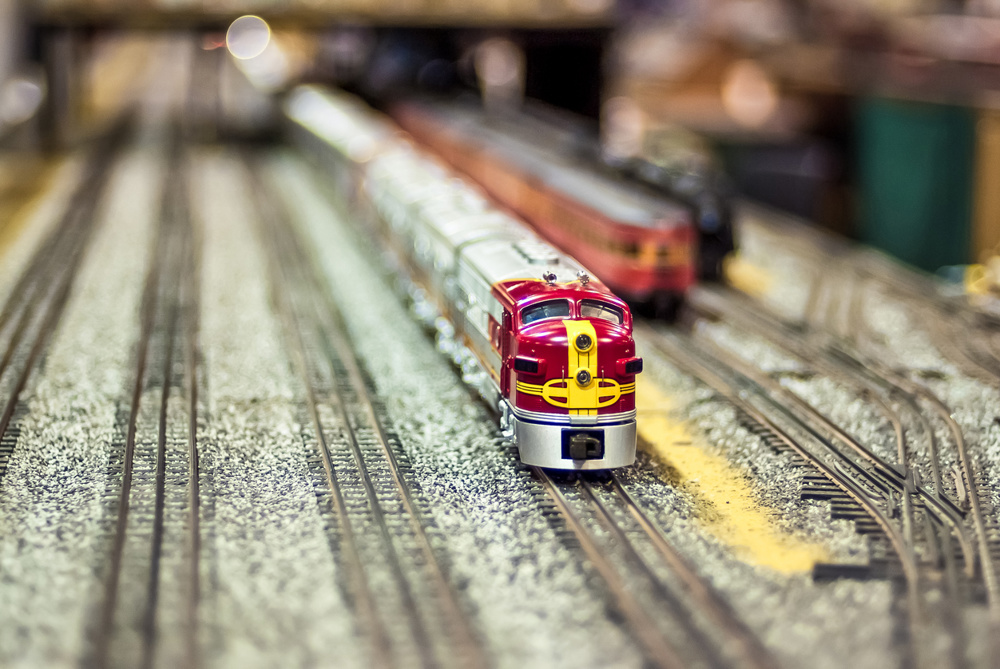
There’s something strangely powerful about a tiny train circling a track. It shouldn’t feel meaningful—but it does. Maybe it’s the sound, the rhythm, or the memory of watching one loop endlessly under a Christmas tree. Model trains don’t just sit in display cases—they live in people’s memories, quietly carrying pieces of childhood, family, and imagination.
That’s exactly why they keep showing up in pop culture. From A Christmas Story to The Big Bang Theory, model trains aren’t random props—they signal something deeper. They represent nostalgia, control, and a longing for simpler systems in a complicated world. And even now, in a digital age, that pull hasn’t disappeared. If anything, it’s evolved—showing up in new ways while still holding onto the same emotional core.
Why Model Trains Became a Symbol of American Family Life
Model trains became part of American identity largely through mid-20th century family culture. In the post-WWII era, economic stability allowed families to invest in leisure, and model train sets—especially from Lionel—became prized holiday gifts. The image of a train circling a Christmas tree wasn’t accidental; it was reinforced through advertising, media, and tradition.
More importantly, these trains became rituals. Setting up the track, arranging the miniature world, and watching it come to life became a shared experience between parents and children. These weren’t just toys—they were activities that required time, patience, and participation, making them deeply tied to family bonding.
That’s why the image persists in pop culture. When a model train appears on screen, it often signals warmth, nostalgia, or generational continuity. It represents a time when entertainment was slower, more tactile, and rooted in shared moments.
How A Christmas Story Made Lionel Trains Iconic
The film's period accuracy reinforced this connection. The prewar City of Portland streamliner appears at the 0:41 mark, and the 15-car freight train matches the era perfectly. Jean Shepherd's stories, which inspired the film, repeatedly named Lionel as the premium Christmas gift.
That cultural weight translates directly into film merchandising, with Lionel releasing the 6-30118 A Christmas Story Steam Train Set, keeping the movie's holiday magic alive for new generations. Much like the USB flash drive's release in 2000. It made portable storage instantly iconic by replacing an entire generation of floppy disks overnight.
Lionel's trains have embedded themselves into cultural memory by replacing fleeting trends with lasting tradition. Celebrating 125 years, Lionel continues to inspire collectors and families alike, proving that its legacy extends far beyond any single film or holiday season.
Model Trains in Film, TV, and Comics Around the World
Model trains have appeared across global media in ways that go far beyond simple decoration. In American television, shows like The Big Bang Theory use trains to reflect character personality—Sheldon’s fascination with them signals both intelligence and social rigidity. In Columbo, they appear as part of carefully constructed environments, reinforcing themes of control.
In film and comics, trains often take on symbolic roles. In Superman Returns, Lex Luthor’s use of model trains reflects his obsession with power and manipulation—he’s not just building a layout, he’s controlling a world. Similarly, superhero-themed train sets blur the line between childhood imagination and adult fandom.
Internationally, the tone shifts. British dramas often portray model train enthusiasts as introspective or isolated, while Japanese media treats train culture with intense enthusiasm and precision. Across cultures, though, trains consistently represent something deeper than the object itself.
Why Train Lovers Show up in Stories From London to Tokyo
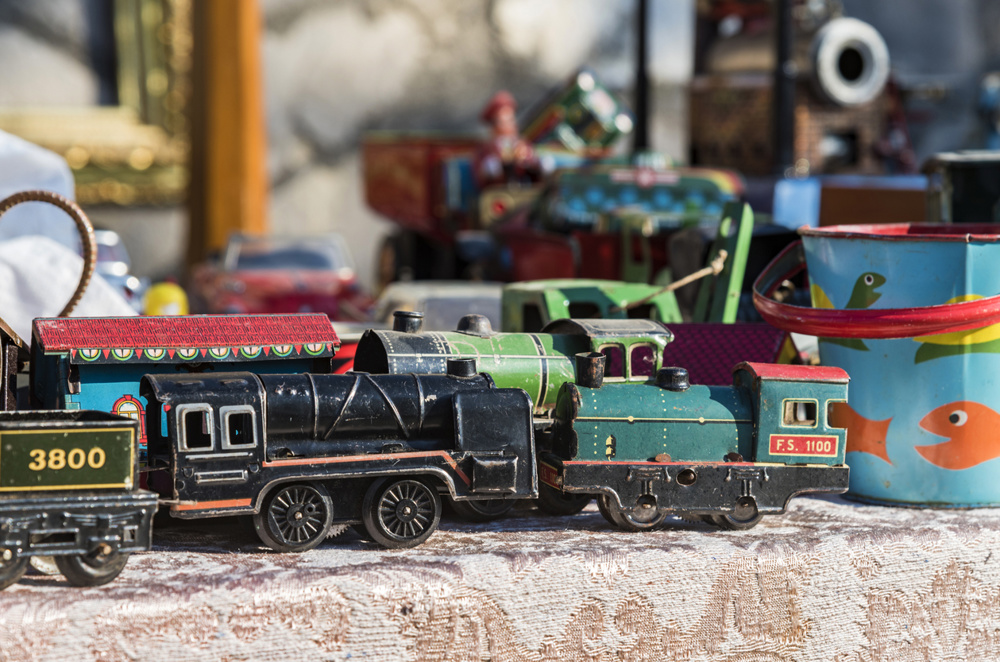
From London to Tokyo, train enthusiasts don't just exist in real life—they've become reliable archetypes in storytelling. You'll notice British fiction often casts older, respectable railway lovers—sometimes vicars—who restore vintage trains or build meticulous model railways. That nostalgia mapping of a quieter, ordered world resonates deeply with audiences.
In Japan, the densha otaku stereotype runs differently. You're looking at a socially awkward, camera-wielding enthusiast chasing rare trains like the Dr. Yellow through Tokyo and Osaka. These urban rituals—hunting themed Pokémon or Hello Kitty trains—fuel both cultural identity and media representation.
Both cultures keep returning to train lovers in stories because trains themselves carry something universal: rhythm, routine, and a predictable world that feels increasingly rare. That's a character worth writing about. In Germany, railfans self-identify with the playful slang term Fotofuzzis or Fuzzis, reflecting a culture that centers photography and holds strict standards for ideal angles and lighting conditions.
Check out MrPopCulture.com and learn more about pop culture trends in model trains!
What Makes Vintage Model Train Sets So Collectible
Storytelling keeps returning to train lovers partly because the trains themselves carry cultural weight—and nowhere is that weight more tangible than in the collector's market for vintage model sets.
When you're evaluating what makes a set valuable, rarity drives everything. Limited runs from one or two years create far stronger demand than models produced across a decade. Box condition matters just as much as the train itself—a sealed, mint-rated set commands dramatically higher prices than one missing its original packaging.
Brands like Lionel, with their postwar steam and diesel models from the 1950s and '60s, consistently appreciate because they're tied to real railroads and recognizable eras. You're not just buying a model—you're preserving a piece of cultural and industrial history. Keeping original boxes and paperwork intact can add 20% to 40% to a model's resale value, making careful storage as important as the purchase itself.
Why Model Trains Still Hook New Collectors
Something about model trains refuses to let go—and the numbers prove it. ScaleTrains reports an average customer age of just 35, and shops are welcoming 30 to 40 children every Saturday. Youth outreach is clearly working.
Technology drives much of this momentum. You can now control locomotives directly from your smartphone, replacing the old basic transformer setup. Digital control bridges the gap between video game culture and the physical hobby, making operation feel genuinely immersive. Improved chips and detailed paint schemes sweeten the deal further.
Sales reinforce the excitement. European manufacturers posted gains of 60 to over 200 percent last year, and limited production runs create real urgency. When you see a new release hit shelves, you've learned to move fast—or miss out entirely. NMRA membership growth marked 2022 as the first year of genuine hobby expansion since 1992.
Clubs, Heritage Railways, and the Communities Keeping the Hobby Alive
Behind every great layout is a community—and model railroading has built some remarkably tight-knit ones. Whether you're joining a scale-specific community club or a heritage society like the Ives Train Society, you'll find organizations built around shared expertise, collaborative projects, and genuine camaraderie.
You don't need experience to get involved. These clubs welcome members at every skill level, distributing responsibilities like track maintenance, electronics, and scenery construction across the group. Some, like New Jersey's Live Steamers, have operated since 1961 on private tracks spanning multiple states.
Beyond the layouts themselves, open houses and train meets let you engage with the broader public, connecting hobbyists with railroad history in meaningful ways. These communities aren't just preserving a hobby—they're actively passing it forward. Rocky Hill, New Jersey's Pacific Southern Railroad, for example, has been doing exactly that since operating as a museum-quality HO scale layout built by hand over nearly 60 years.
Why Model Trains Symbolize Control and Escape
Model trains persist in storytelling because they offer something psychologically powerful: control in a contained world. Every track is placed with intention, every route is predictable, and every outcome is manageable. In contrast to real life—where uncertainty dominates—model railways create a system where nothing is left to chance.
This sense of control is often used in pop culture to reflect character psychology. In shows like The Big Bang Theory, Sheldon’s fascination with trains isn’t just a hobby—it mirrors his need for order and structure. Similarly, when villains or isolated characters are shown meticulously managing miniature worlds, it often signals a deeper desire to impose control over chaos.
At the same time, model trains provide a form of escape. Building and operating a layout allows individuals to step into a quieter, slower reality where everything moves at a deliberate pace. This dual meaning—control and escape—is what makes trains so compelling in storytelling. They become more than objects; they act as metaphors for how people cope with complexity, anxiety, and the unpredictability of the real world.
Nostalgia as a Driving Force in Pop Culture
Nostalgia plays a central role in keeping model trains relevant across generations. As pop culture revisits earlier decades through reboots, period films, and retro aesthetics, objects like model trains become symbols of a perceived “simpler time.” They evoke memories of slower routines and more tactile forms of entertainment.
This nostalgia is often reinforced through the media. Scenes featuring trains circling Christmas trees or carefully maintained layouts create shared visual references that audiences recognize instantly. Even those who never owned a train set can connect to these images because they have been repeated across films, television, and advertising.
What makes this powerful is that it becomes collective rather than personal. Model trains are no longer just individual memories—they are cultural ones. Their continued presence in pop culture shows how nostalgia shapes what we revisit, reinterpret, and preserve, ensuring that these small, mechanical worlds remain part of a much larger cultural story.
Conclusion
Model trains endure because they operate on multiple levels at once. They’re toys, collectibles, storytelling tools, and symbols—all at the same time. Few objects manage to hold that kind of cultural weight. They remind us of something simple: the appeal of watching a system work, of building something with your hands, of seeing imagination take physical form.
In a fast, digital world, that experience still matters. And that’s why they keep showing up—in movies, in shows, in memory. Not just because they’re nostalgic, but because they represent something we’re still looking for.